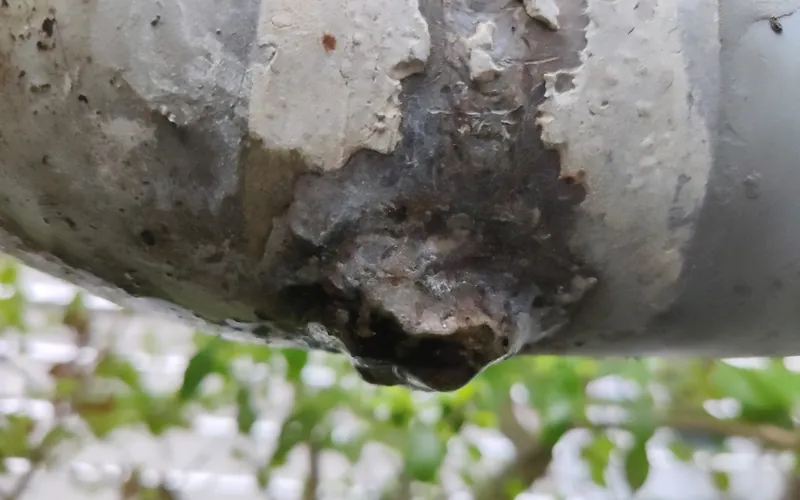
What to Do in the First 24 Hours After a Pipe Burst
A burst pipe can pour hundreds of gallons into your home. These are the steps that matter most in the first day, in the order they matter.
A burst pipe, a failed water heater, or a storm-driven leak can soak a home in minutes. This section explains what water damage does, how restoration works, and the steps that limit the damage while help is on the way.
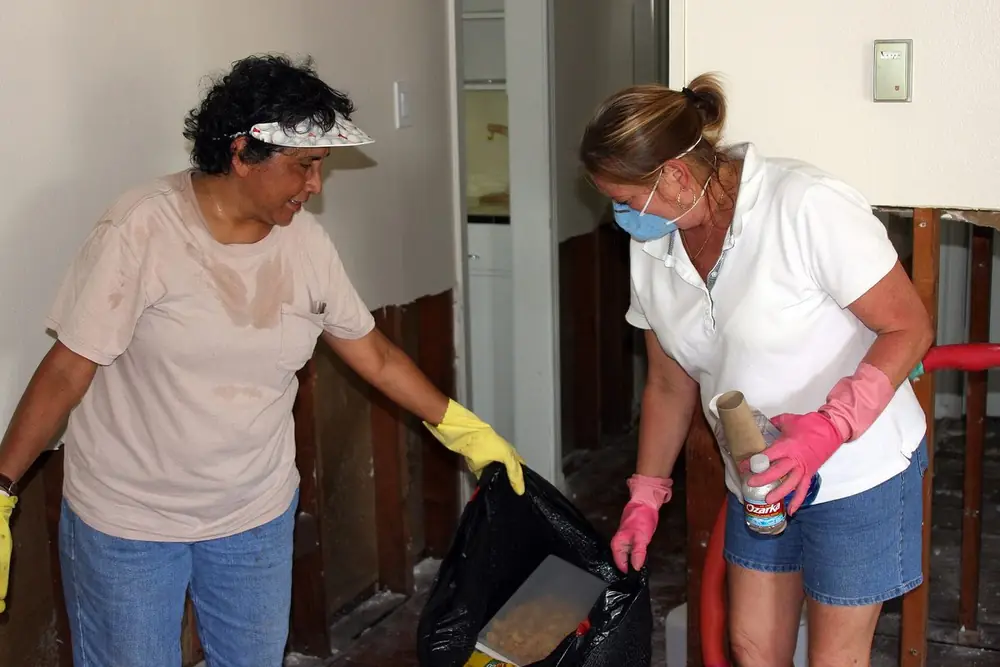
Water damage restoration is the process of removing standing water, drying the structure, and repairing what the water harmed. Our guides in this category walk through the full picture: the first response in the first hours, how professionals extract water and dry walls and floors, how to spot hidden moisture, and how to keep mold from taking hold afterward.
We also cover the causes we see most often, including burst and leaking pipes, appliance failures, roof leaks, foundation seepage, and flooding after heavy rain. Each cause behaves differently, and the right response depends on where the water came from and how long it sat.
Drywall, insulation, carpet, and wood flooring absorb water quickly. The longer they stay wet, the more they swell, warp, and break down, and the more of the home ends up needing replacement instead of drying.
Water travels. It runs inside wall cavities, under flooring, and into subfloors where you cannot see it. A room can look dry on the surface while the structure underneath stays wet, which is why moisture checks matter as much as visible cleanup.
Mold can begin growing on damp materials within a day or two. Fast drying is the main defense, and our guides explain the timeline honestly, including when a mold problem is small enough to clean and when it needs a licensed remediation professional.
Water and electricity are a dangerous mix. Flooded rooms can hide live circuits, damaged wiring, and contaminated water from drains or sewage. Several of our guides start with the safety steps that come before any cleanup.
We do not publish made-up prices, because restoration costs vary too much to quote responsibly without seeing the home. What we can explain is what drives the final bill. The size of the affected area matters most, followed by how long the water sat before work began. The category of water matters too: clean water from a supply line is simpler to handle than water that has passed through drains or soil, which needs more protective steps.
Materials change the picture as well. Drying a concrete slab is different work from drying hardwood floors or a finished basement. Access matters, since water behind built-in cabinets or under tile takes longer to reach. Finally, how much material must be removed and rebuilt, rather than dried and saved, is often the largest single factor. Acting in the first hours usually keeps more of the home in the "dry and save" column.
Start by asking how quickly the company can arrive, because response time is real value in this trade. Ask what drying equipment they use and whether they check moisture with meters rather than by touch. A good restorer explains the plan in plain terms: what gets removed, what gets dried, how long drying should take, and how they will confirm the structure is actually dry at the end.
Ask about licensing and insurance, and whether the company documents the damage with photos and moisture readings, which helps if you file an insurance claim. Be cautious with anyone who demands full payment before work starts or who pressures you to sign during the first stressful hour. Our article on what to do in the first 24 hours after a pipe burst walks through the decisions in order.
A burst pipe can pour hundreds of gallons into your home. These are the steps that matter most in the first day, in the order they matter.
As fast as you safely can. Stop the water source first, then start removing water and moving belongings out of the wet area. Materials begin absorbing water immediately, and mold can start growing on damp surfaces within 24 to 48 hours, so the first day matters most.
Small, clean-water spills on hard surfaces are often manageable with towels, fans, and a wet vacuum. Larger areas, water inside walls, sewage, or water that has sat for more than a day call for a professional with extraction and drying equipment and moisture meters.
Policies often cover sudden and accidental water damage, such as a burst pipe, but exclude flooding from outside the home and damage from long-term leaks. Coverage varies widely, so document the damage with photos and check your specific policy and deductible.
It depends on the materials and how much water they absorbed. Many homes dry in several days of continuous equipment running, while dense materials like hardwood or plaster can take longer. A restorer should confirm dryness with moisture readings rather than a calendar.
Have a topic you would like us to cover in this category? Contact the editorial team with your suggestion.