Repair or Replace Your Roof? How to Tell the Difference
A roofer's answer to 'repair or replace' depends on what they sell. This guide gives you the neutral checklist: age, spread, and condition.
A roof fails slowly and then all at once. This section helps you read the early signs of roof wear, understand the choice between repair and replacement, and plan roof work with clear eyes about what drives the cost.
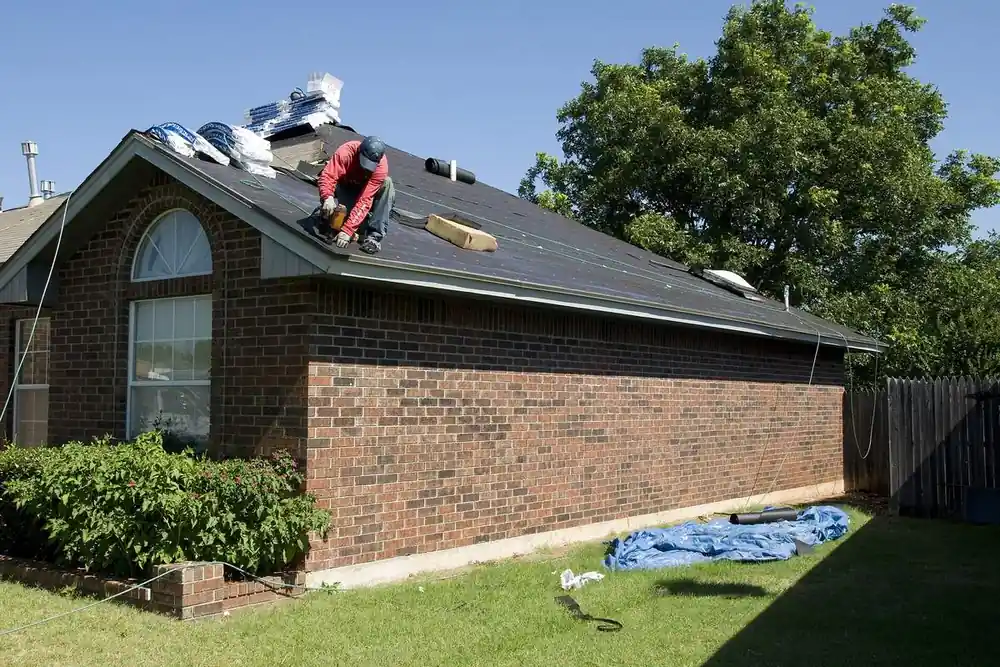
Our roofing guides cover the roof systems most US homes use, especially asphalt shingles, along with metal, tile, and flat roofing in general terms. We explain how a roof is layered, from decking and underlayment to flashing and ventilation, because understanding the parts makes every repair conversation clearer.
You will find seasonal inspection checklists you can use from the ground, guidance on leaks and storm damage, and a full walk-through of the repair-versus-replacement decision in our article on how to tell if your roof needs repair or full replacement.
Roofing rewards homeowners who look up once in a while. Most expensive roof failures begin as small, visible, inexpensive problems: a lifted shingle after a storm, a cracked seal around a vent, granules collecting where the downspouts empty. The guides in this category teach you to spot those early warnings from the ground, understand what they mean, and know which ones can wait for a planned repair and which ones deserve a roofer this week. That habit alone can add years to a roof's useful life, and it costs nothing but a few attentive minutes each season.
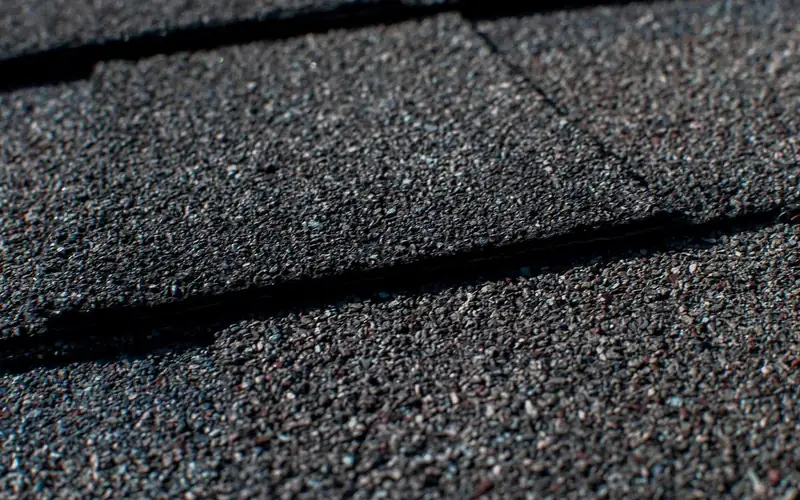
Shingles that blow off, curl at the edges, crack, or shed their granules into the gutters are telling you the roof surface is aging. Isolated damage is often repairable; widespread wear is a different conversation.
Most leaks start where the roof is interrupted: chimneys, vents, valleys, and skylights, where metal flashing does the waterproofing. A ceiling stain is often far from the actual entry point, which is why leak hunting takes patience.
Wind lifts and creases shingles, and hail can bruise them in ways that shorten roof life without obvious holes. After major storms, an inspection documents damage while an insurance claim is still practical.
A hot, unventilated attic ages shingles from below and, in cold climates, melts snow unevenly so it refreezes at the eaves as ice dams that force water under the roof.
Roofing costs are driven by size and shape first. A large, steep, or cut-up roof with many valleys and penetrations takes more material and more labor than a small simple one. The material you choose matters, as do the layers that must be torn off and how much decking underneath turns out to be rotted.
Region and timing play a part too, since labor rates differ and roofers book up quickly after storms and during the busy season. For repairs, the spread is wide: sealing a flashing joint is minor work, while rebuilding a valley or replacing a section is not. Because the range is so wide, our guides focus on helping you judge quotes, ask what is included, and understand why two bids for the same roof can differ honestly.
Roofing is licensed or registered differently in different states, so start by checking what your state requires and confirm the company meets it, along with carrying insurance. Ask how long the company has worked under its current name in your area, since roof warranties only matter if the company is there to honor them.
A trustworthy roofer inspects the roof and the attic, explains what they found with photos, and puts the scope in writing: materials, tear-off, decking repairs, flashing, ventilation, and cleanup. Be careful with anyone who demands a large deposit before materials arrive, or who knocks on your door after a storm with a deal that expires today.
A roofer's answer to 'repair or replace' depends on what they sell. This guide gives you the neutral checklist: age, spread, and condition.
Standard three-tab shingles carry an estimated service life of about 20 years and architectural shingles about 30 years, depending on climate, sun exposure, ventilation, and installation quality. Harsh sun and heat shorten life; good attic ventilation extends it.
You can do a useful first check from the ground with binoculars and from the attic looking for light, stains, and damp insulation. Walking the roof itself is risky and can damage shingles, so leave on-roof inspection to a professional with the right equipment.
Policies usually cover damage from sudden events like storms, wind, and falling trees, but not wear and age. Many policies pay less as a roof gets older. Document storm damage promptly and read your policy's roof terms before a claim.
Roofers commonly prefer mild, dry weather, which in many regions means spring through fall. Shingles seal best in moderate warmth. That said, leaks should be addressed when they appear rather than waiting for a perfect season.
Have a topic you would like us to cover in this category? Contact the editorial team with your suggestion.