Every aging roof reaches the same fork in the road. A leak appears, shingles start looking tired, and the homeowner faces a question with a five-figure gap between its two answers: repair what is wrong, or replace the whole roof? Roofers who mostly repair and roofers who mostly replace will steer you differently, so it helps to walk into the conversation with your own framework. This guide is that framework.
Start With Age, Because Age Frames Everything
A roof is a system with a service life, and where yours sits in that life changes what a repair is worth. Standard three-tab asphalt shingles carry an estimated service life of about 20 years, and architectural shingles about 30, according to InterNACHI's life expectancy chart for home materials. Metal, tile, and slate run longer. If your roof is in the first half of its expected life and the damage is local, repair is almost always the sensible answer. The roof has years of service left to protect.
If the roof is in its last few years, the math flips. A repair on a roof that will need replacement soon anyway buys very little time for its cost, and each new leak risks interior damage worth more than the repair. Age alone does not decide, but age decides how much a repair has to accomplish to be worth doing.
Look at the Spread of the Damage
The single most useful question is whether the problem is in one place or everywhere. One place looks like this: a leak at one chimney flashing, a patch of shingles torn off by one storm, a single damaged valley. These are local failures with local fixes, and replacing a whole roof over them wastes a roof that still works.
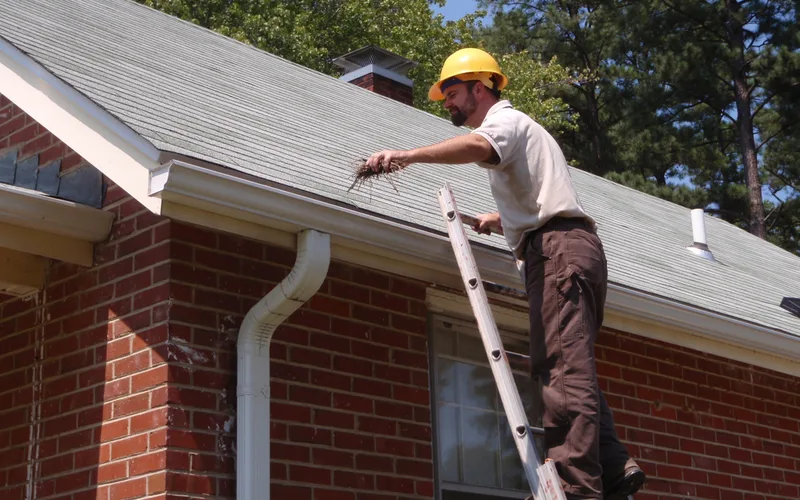
Everywhere looks different. Shingles curling across whole slopes, granules washing out of downspouts by the cupful, cracks and bald spots on many shingles at once, several leaks in different areas in the same season. Widespread wear means the material itself is at the end, and repairs become a subscription: each one fixes the leak you found while the next one develops. Our roofing guides include a ground-level inspection checklist that helps you judge which pattern your roof shows.
Read the Shingles Themselves
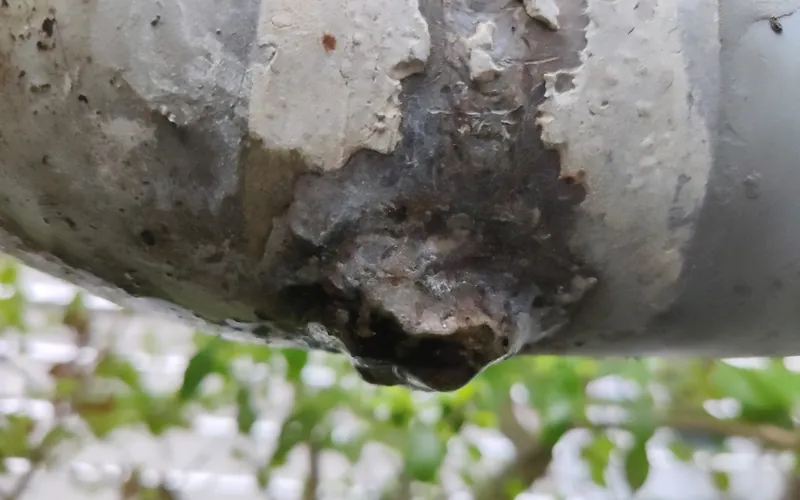
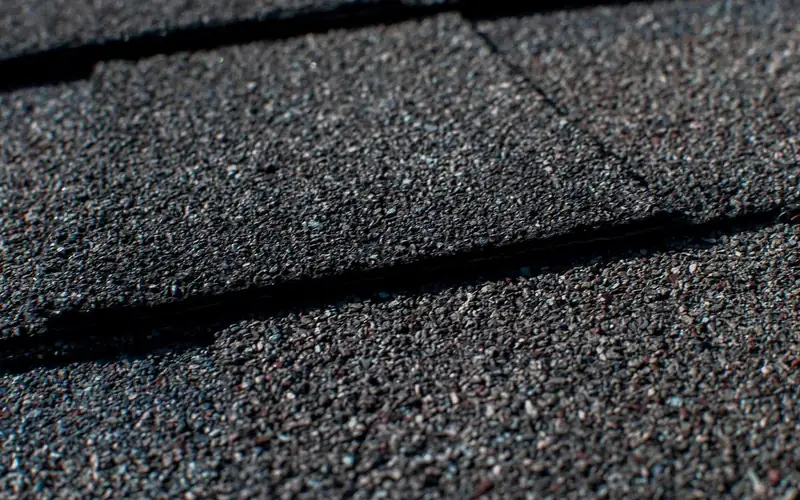
From the ground with binoculars, or from a roofer's inspection photos, look for these conditions. Curling edges and cupping mean the shingles have lost flexibility. Cracking across many shingles means the material has become brittle. Missing granules, visible as dark patches and as grit in the gutters, mean the protective surface is going, and with it the shingles' defense against sun and water. Shingles that have lost their granule layer age in fast-forward.
Also check the attic, which tells the truth quietly. Daylight showing through the roof boards, dark stains on the decking, damp insulation, and a musty smell all say water has been getting in, possibly for longer than the ceiling stain downstairs suggests.
Count the Leak History Honestly
One leak in ten years is an event. Three leaks in two years is a trend, and trends point at replacement. Keep a simple record of every roof repair, what it was, and what it cost. When the yearly total of repairs starts approaching a meaningful fraction of a replacement quote, and the roof is also old, the record makes the decision for you. This is also why patching the same area repeatedly deserves suspicion: a leak that returns after two repairs may be telling you the surrounding material can no longer hold a fix.
Consider What a New Roof Buys Beyond Dryness
Replacement is not only about stopping leaks. A tear-off lets the roofer inspect and repair the decking, install modern underlayment and ice and water shield where your climate needs it, fix flashing properly at every penetration, and correct ventilation problems that shorten roof life. If you plan to sell the home in the next few years, a new roof also removes a major negotiation obstacle, since buyers and their inspectors focus hard on roof age.
There are cases where replacement is the wrong call even on an older roof: if you are selling within months and the roof still performs, or if a quality repair genuinely restores the one weak area on a roof whose field of shingles remains sound. A roofer who recommends repair when they could have sold a replacement is a roofer worth keeping.
Getting Opinions You Can Trust
Get at least two inspections (the National Roofing Contractors Association gives homeowners the same advice), and tell each roofer you are comparing repair and replacement quotes in writing. Ask for photos of what they find, an explanation of whether the damage is local or general, and a repair quote with a clear statement of what it does and does not guarantee. Compare those answers against the framework in this article: age, spread, shingle condition, and leak history. When a recommendation matches the evidence you can see yourself, you can sign with confidence.
Whichever way you decide, decide on evidence rather than urgency. A tarp handles the emergency for a few weeks. The decision deserves a clear day, a ladder-free look at the facts, and numbers on paper. Your roof protects everything under it; it has earned a careful decision.
After You Decide, Protect the Investment
If you repair, keep the paperwork. A written record of what was fixed, with what materials, and under what warranty turns the next inspection into a comparison instead of a fresh mystery, and it reassures a future buyer that the roof was maintained rather than patched in secret. Photograph the repaired area from the ground each season for a year to confirm the fix is holding.
If you replace, the work is not done when the crew leaves. Register the manufacturer warranty, keep the contract and material details, and schedule the simple habits that protect a new roof from day one: keep gutters clear so water never backs up at the edges, trim branches that overhang the roof, and look at the attic after the first few heavy rains. A new roof should give you decades of quiet. A little attention in its first year is how you make sure it does.
Repair or Replace: Reading the Signs
Set your roof's evidence against this table. A roof that lands mostly in the left column is a repair candidate; one that lands mostly in the right is telling you its material is finished.
| Points toward repair | Points toward replacement |
|---|---|
| Damage is local: one flashing, one valley, one storm patch | Wear is widespread across whole slopes |
| Roof is in the first half of its expected life | Roof is in its last few years of expected life |
| First leak in many years | Several leaks in different areas in one season |
| Shingles lie flat and keep their granule coating | Shingles curl, crack, and shed granules into the gutters |
The gutters below the roof decide where all that roof water goes next. Our guide to what happens when gutters stay clogged all year shows the damage a neglected gutter line can do to the roof edge itself.
Sources and Further Reading
The guidance in this article was checked against publications from the following organizations:
- National Roofing Contractors Association: Roofing Guidelines. The roofing industry's main association, with guidance on inspections, repair, and replacement.
- Insurance Institute for Business and Home Safety: Routine Roof Maintenance. Research-based guidance on roof leaks, drainage, and the maintenance that extends a roof's life.
- InterNACHI: Life Expectancy Chart. The home inspectors' association's estimated service lives for home materials, including about 20 years for three-tab shingles and about 30 for architectural shingles.
- US Department of Energy: Energy Saver. Federal guidance touching on attic ventilation and the energy side of roof decisions.