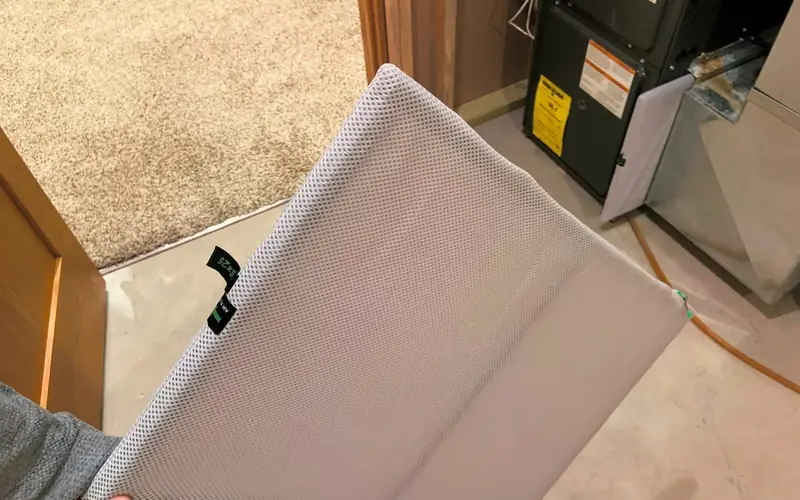
How Often Should You Replace Your HVAC Filter and Why
Filter advice ranges from every month to every year. The honest answer depends on your pets, your dust, and your system. Here is how to find yours.
Heating and cooling is the hardest-working system in most homes, and the one people understand least until it stops. This section explains how HVAC systems work, the simple care they need, and the warning signs that deserve a technician.
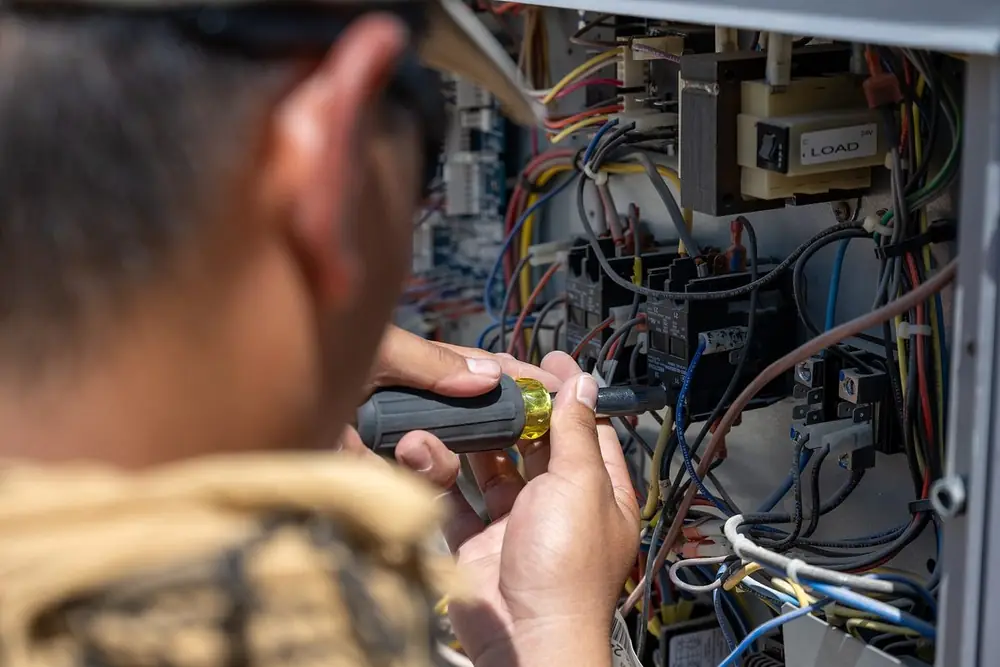
HVAC stands for heating, ventilation, and air conditioning. Our guides cover the equipment most US homes rely on: central air conditioners, furnaces, heat pumps, and ductless mini-split systems, along with the ductwork, thermostats, and filters that tie them together.
You will find maintenance guides you can use right away, explanations of common problems like weak airflow and uneven temperatures, and honest guidance on the repair-versus-replace decision every homeowner eventually faces with an aging system.
We also pay close attention to the parts of the system homeowners forget: the ductwork that delivers the air, the thermostat that controls it all, and the insulation and sealing that decide how hard the equipment has to work. Many comfort problems blamed on the furnace or air conditioner actually live in these supporting parts, and fixing them is often cheaper than replacing equipment. Where a guide involves refrigerant, gas lines, or electrical work, we say clearly that a licensed technician should do it, because those jobs carry real safety and legal requirements. Homeowners who understand their systems make better decisions at every price point, from a filter to a full replacement, and that understanding is what this section exists to build.
A clogged filter is the most common and most preventable HVAC problem. It restricts airflow, makes the system work harder, raises energy use, and can contribute to breakdowns. Our article on how often to replace your HVAC filter explains the real schedule, which depends on your home more than the calendar.
Rooms that are always too hot or too cold often point to duct leaks, blocked vents, poor insulation, or a system that was never balanced. The cause matters, because the fixes are very different.
A system that turns on and off every few minutes, or that starts making grinding, rattling, or squealing sounds, is asking for attention. Caught early, many of these problems are modest repairs. Ignored, they become expensive ones.
When bills climb without a change in your habits or the weather, the system may be losing efficiency to dirty coils, low refrigerant, duct leaks, or simple age.
HVAC pricing depends heavily on the equipment and the home. A repair bill turns on which part failed, whether the part is still available for your model, and how accessible the unit is. Replacement costs are driven by system size, efficiency rating, fuel type, the condition of existing ductwork, and local labor rates, which vary a great deal by region.
Season matters too. Technicians are busiest during heat waves and cold snaps, and emergency visits in those weeks can cost more and take longer to schedule. This is one reason our guides push routine maintenance in the mild spring and fall weeks, when systems can be serviced calmly and problems found before they become emergencies.
Look for a licensed and insured contractor who will inspect the whole system before recommending work, not just the part that failed. For replacements, a proper load calculation, which sizes the system to your home, is a strong sign of a careful installer. Oversized and undersized systems both cause comfort and efficiency problems for years.
Ask what the quote includes, what the warranty covers on parts and labor, and whether the company will register the equipment warranty for you. Get replacement quotes in writing from more than one company, and be wary of the quote that is far below the others without a clear explanation of why.
Filter advice ranges from every month to every year. The honest answer depends on your pets, your dust, and your system. Here is how to find yours.
Most manufacturers and technicians recommend professional maintenance once a year for a heating or cooling system, and twice a year for a heat pump that does both jobs. Spring suits air conditioning and fall suits heating, before the hard-working seasons begin.
Common causes include blocked or closed vents, leaking or poorly insulated ducts, a room that gets more sun, and airflow that was never balanced. Start with the simple checks, and if the problem stays, a technician can measure airflow and inspect the ductwork.
Furnaces often last 15 to 20 years and air conditioners and heat pumps roughly 12 to 15 years, depending on climate, use, and maintenance. A well-maintained system usually outlasts a neglected one by years.
Consider the age of the system, the cost of the repair compared with replacement, how often it has broken down recently, and whether your energy bills have been climbing. Frequent repairs on a system near the end of its expected life usually argue for replacement.
Have a topic you would like us to cover in this category? Contact the editorial team with your suggestion.