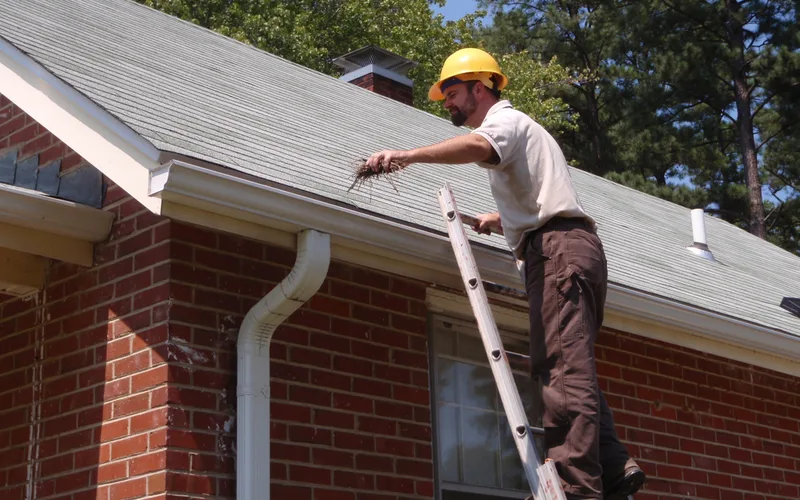
What Happens When Gutters Stay Clogged All Year Long
A year of clogged gutters is a slow-motion damage story: rot at the roof edge, water at the foundation, ice in winter, pests in summer.
Gutters are the most ignored system on most houses, right up until they overflow. This section explains what clogged gutters quietly do to a roof, siding, and foundation, and how a simple cleaning routine prevents expensive repairs.
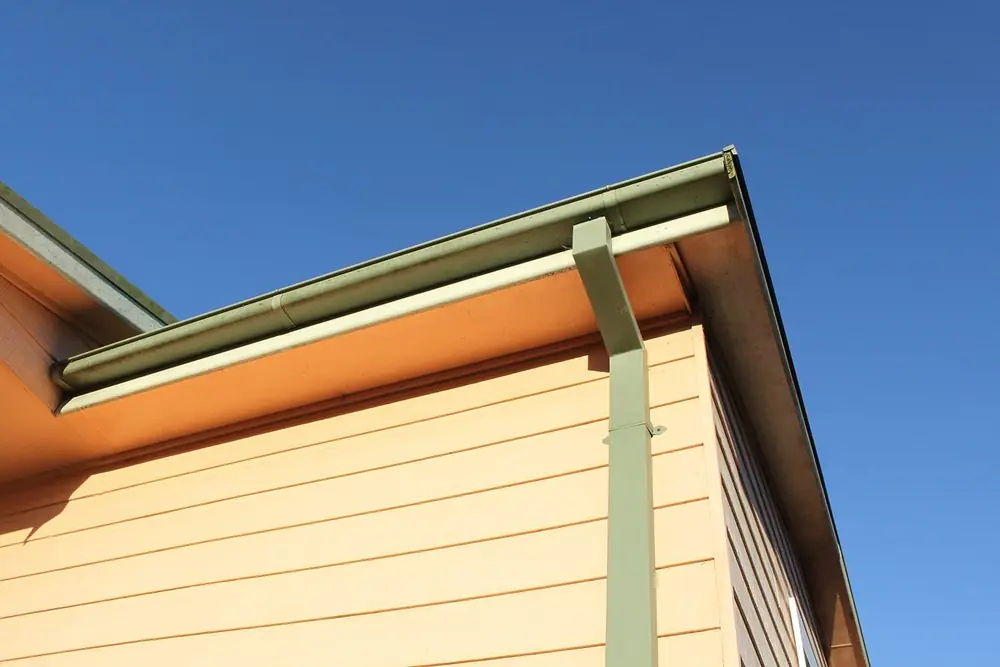
Our gutter guides cover the whole drainage path: gutters, downspouts, elbows, and the ground where the water lands. We explain how clogs form, the damage patterns that follow, and how to tell whether your home needs cleaning twice a year or more often.
You will also find a fair comparison of gutter guards, which help some homes and disappoint others, plus seasonal checklists and safety guidance for anyone who cleans gutters themselves. Our article on what happens when gutters stay clogged all year shows the full chain of damage, season by season.
Gutter care is also one of the best bargains in home maintenance. The system itself is simple, the cleaning is routine, and the parts it protects, including the roof edge, the siding, the windows, and the foundation, are among the most expensive things on a house to repair. The guides here focus on timing and technique: when your particular trees and roof make cleaning necessary, how downspouts and drainage away from the house matter as much as the gutters themselves, and how to spot the early sagging and leaking that turn a cleaning visit into a repair if they are ignored.
When gutters fill with leaves and shingle grit, rainwater pours over the front or back edge. Water running behind the gutter soaks the fascia board and soffit, which rot quietly until the gutter itself starts pulling loose from the weight and the decay.
Gutters exist to move roof water away from the house. Overflowing gutters dump that water at the foundation instead, where it can seep into basements and crawl spaces, erode soil, and in cold climates contribute to foundation cracks through freeze and thaw cycles.
Clogged gutters hold water that freezes at the roof edge, adding weight and helping ice dams form. Meltwater then backs up under shingles and finds its way inside.
Standing water in clogged gutters breeds mosquitoes, and the wet debris shelters insects and rodents. Left long enough, gutters grow visible weeds, which is nature's way of filing a complaint.
Professional cleaning is priced mainly by the size of the home and the height of the roofline. A one-story ranch is quick work from a ladder; a three-story home with steep landscaping takes more time, more equipment, and more care. The condition matters too: gutters packed with years of compacted debris take far longer than gutters on a regular schedule.
Extras change the bill: flushing and clearing clogged downspouts, resealing a leaking joint, reattaching a loose section, or hauling debris away. Gutter guard installation is a separate, larger project priced by the length of gutter and the type of guard. Our guides explain these factors so you can compare quotes by scope, not just by the headline number, and understand what a suspiciously cheap offer usually leaves out.
Ask whether the service includes clearing the downspouts, not just scooping the gutters, since a clean gutter draining into a clogged downspout still overflows. Ask how the crew works safely at height, whether they are insured, and whether they bag and remove debris or leave it in your beds.
A good company will also report what it sees: loose hangers, leaking seams, gutters pitched the wrong way so water stands instead of draining. Those small findings are often the most valuable part of the visit, because they are cheap to fix early and expensive later. Be wary of quotes given without anyone knowing the height or length of your gutters; the price will likely change when the ladder goes up.
A year of clogged gutters is a slow-motion damage story: rot at the roof edge, water at the foundation, ice in winter, pests in summer.
Twice a year, in late spring and late fall, suits most homes. Homes under heavy tree cover, especially pine trees that drop needles year-round, may need three or four cleanings. The right schedule depends on what falls on your roof, not a universal rule.
Water spilling over the edges during rain, gutters sagging or pulling away, plants growing in the gutter line, stains on the siding below the gutters, and water pooling near the foundation all point to clogs or failed drainage.
No guard eliminates maintenance entirely. Good guards reduce how often gutters clog and keep large debris out, but fine grit and seeds still enter, and guards themselves need occasional cleaning. Homes with few overhanging trees may gain little from guards at all.
Many homeowners do, on one-story homes, with a sturdy ladder, a helper on the ground, gloves, and a scoop. Never lean a ladder against the gutters themselves, and skip the job in wet or windy weather. For higher roofs, hiring a professional is the safer choice.
Have a topic you would like us to cover in this category? Contact the editorial team with your suggestion.