Ask ten sources how often to replace an HVAC filter and you will get answers from every 30 days to once a year. All of them can be right, because the filter does not clog on a calendar. It clogs based on how much air your system moves and how much dust, dander, and debris that air carries. This guide explains what actually determines your schedule, what happens when you wait too long, and how to choose a filter that protects your system without straining it.
What the Filter Actually Does
The filter sits between your home's return air and the HVAC equipment, and its main job is protecting the system, not purifying your air. It catches dust, lint, pet hair, and dander before they coat the blower and the evaporator coil. A clean coil and blower move air efficiently. A dirty one makes the system run longer to do the same work, which shows up in your energy bill and in wear on parts that are expensive to replace.
Filters do help indoor air as a side benefit, and higher-rated filters catch smaller particles. But the filter's first loyalty is to the equipment, which is why the cheapest insurance in home ownership might be this flat panel of pleated material that most people forget exists.
The Real Schedule: Check Monthly, Replace When Dirty
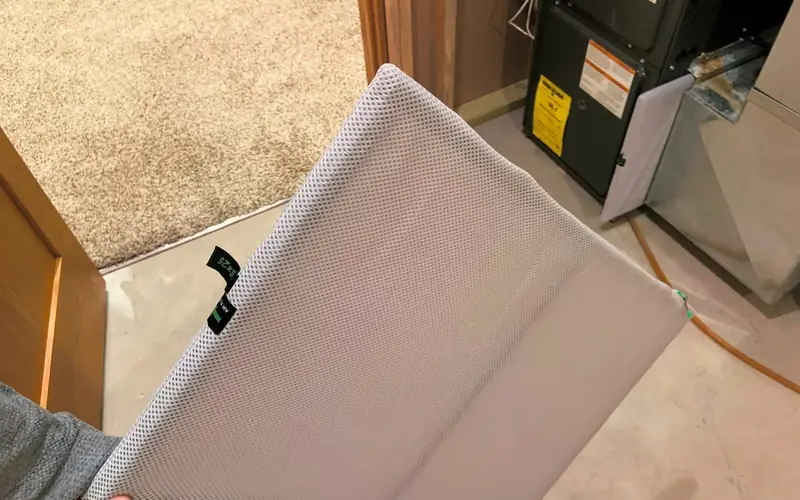
The most reliable rule is simple: check the filter every month, and replace it when it looks loaded with dirt. Hold it up to a light. If light barely passes through the pleats, or the surface is matted gray with dust, it is done, whatever the calendar says.
That said, patterns help you plan. Thin one-inch filters in a typical home usually last one to three months. Homes with shedding pets, smokers, dusty surroundings, or a family member with allergies often land at the short end, sometimes monthly. Thicker media filters, the four or five inch kind in a cabinet by the furnace, can last six to twelve months because they have far more surface area. Vacation homes and homes without pets can stretch further. Start with monthly checks and let your own filter teach you its rhythm.
Signs You Waited Too Long
A neglected filter announces itself if you know the signs. Rooms take longer to reach the thermostat setting. Airflow from vents feels weak. Dust returns to surfaces faster than it used to, because air starts bypassing a clogged filter through any gap it can find, carrying dust with it. Energy bills creep up without a weather explanation. In cooling season, a severely clogged filter can even contribute to a frozen evaporator coil, which shuts cooling down entirely until it thaws.
None of these require a service call to investigate. Open the filter slot first. It is the most common cause of airflow complaints and the only one that costs a few dollars to fix. Our HVAC guides cover the other causes of weak airflow, including duct problems, when a fresh filter does not solve it.
Choosing the Right Filter: Size and Rating
Size first, because a filter that does not fit seals poorly and lets dirty air around its edges. The size is printed on the frame of the old filter, in length, width, and thickness. Buy exactly that size, and note the airflow direction arrow on the frame when you install the new one; a filter installed backward performs poorly.
Rating second. Filters are rated on the MERV scale, which measures how small a particle they can catch. For most homes, a filter in the middle range, roughly MERV 8 to 11, balances particle capture with easy airflow. Very high ratings catch more but also resist airflow more, and in a system not designed for them, that resistance can strain the blower and reduce performance. If someone in the home has serious allergies, ask an HVAC technician whether your system can handle a higher rating before jumping to the top of the scale. Our guide to signs your air ducts need cleaning explains how filters and ducts share the work of keeping system air clean.
Building the Habit
The best filter schedule is the one that survives your busy life. Write the installation date on the frame of each new filter with a marker, so the next check starts with information instead of a guess. Keep one spare filter in the house at all times; a check that discovers a dirty filter does no good if the replacement is a shopping trip away. Tie the check to something you already do monthly, like paying a bill or changing a calendar page.
If your system has a thermostat with a filter reminder, set it, but treat it as a backup to your own eyes. Reminders count runtime or days, not dirt, and dirt is the only thing that matters.
When a Filter Problem Is Not a Filter Problem
If you replace the filter faithfully and still see dust, weak airflow, or fast clogging, something else is feeding the system dirt. Common culprits are leaky return ducts pulling dusty air from an attic or crawl space, a filter slot that does not seal, or construction dust after a renovation. These are worth a technician's visit, because a filter clogging in two weeks is a symptom, not a habit problem.
Treat the filter as your system's monthly report card. It is cheap, it takes two minutes to read, and it tells you more about how your home and your HVAC system are getting along than almost any other single check you can do.
A Word About Washable and Specialty Filters
Washable filters promise to end the replacement cycle: rinse, dry, reinstall. They can work, but they come with fine print. A washable filter must be completely dry before it goes back in, because a damp filter in a dark duct is an invitation to mold. Their particle ratings are often modest, and after repeated washings the media can degrade and fit loosely, letting dirty air slip around the edges. If you choose one, follow its cleaning schedule as faithfully as you would a replacement schedule, and inspect the frame and media each time.
Specialty filters, such as those with activated carbon for odors, solve specific problems rather than general ones. They cost more and clog on the same household dust as any other filter. Whatever type you choose, the rule from this article still governs it: the calendar proposes, but the filter itself disposes. Check it monthly, and let its condition, not its marketing, set your schedule.
Filter Types and Typical Service Life
This table sums up the patterns described above. Your own filter's condition always outranks the calendar, so treat these ranges as planning guides, not deadlines.
| Filter type | How often to check | Typical service life |
|---|---|---|
| One-inch disposable panel | Monthly | About 1 to 3 months |
| Four or five inch media filter | Every 2 to 3 months | About 6 to 12 months |
| Washable filter | Monthly, rinse as directed | Until the media or frame degrades |
Heating season brings a second annual rhythm for homes that burn wood. Our guide to why annual chimney cleaning matters explains the inspection that belongs on the same calendar.
Sources and Further Reading
The guidance in this article was checked against publications from the following organizations:
- US Environmental Protection Agency: Guide to Air Cleaners in the Home. How filters and air cleaners capture particles, and what the ratings mean.
- US Department of Energy: Energy Saver. Federal guidance on heating and cooling efficiency, including filter care.
- US Environmental Protection Agency: Indoor Air Quality. Background on the pollutants a home system circulates and how filtration helps.