Air duct cleaning occupies an odd place in home services. It is a legitimate service that some homes truly need, wrapped in some of the most aggressive sales tactics in the industry. That combination leaves homeowners with a fair question: how do you know whether your ducts actually need cleaning? This guide lists the signs that hold up under scrutiny, explains the ones that do not, and helps you decide with evidence instead of a coupon.
Sign One: Visible Dust Blowing From Vents
Stand by a supply vent when the system starts up. If you see puffs of dust or debris come out with the first air, or if vent covers collect a thick gray layer within days of being wiped, the duct system is carrying more than it should. Some dust near vents is normal in any home. A pattern of heavy, fast-returning dust at multiple vents is not, and it means the system is distributing what it collects.
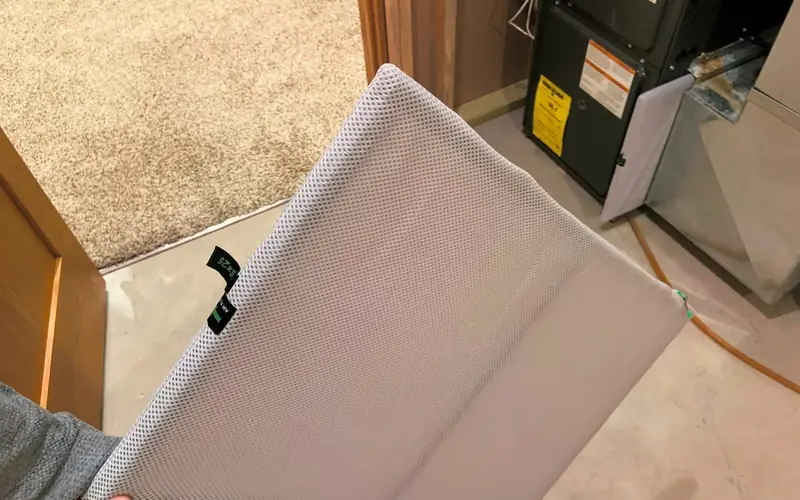
A simple home check helps: tape a white tissue or coffee filter loosely over a supply vent for a day of normal system use. If it comes away heavily gray in that short time, your ducts are shedding material into your rooms.
Sign Two: You Can See Debris Inside the Ducts
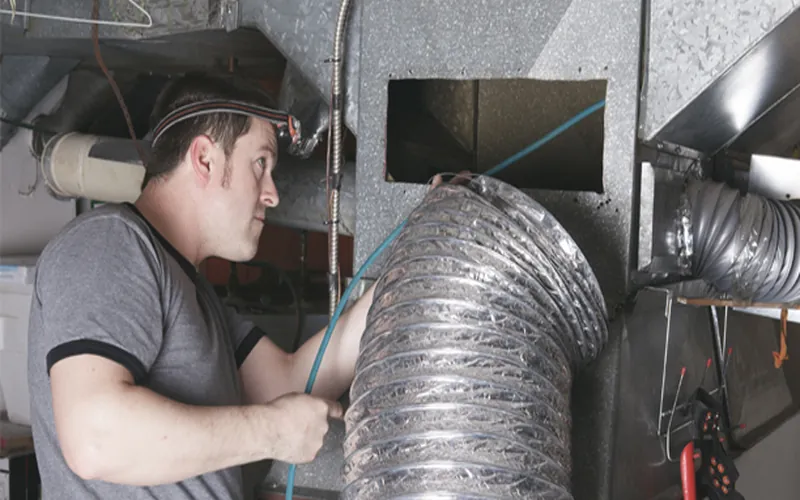
Remove a vent cover, reach in with your phone, and take a flash photo down the duct. A light film of dust is unremarkable. What justifies cleaning is a thick, matted layer of dust and debris coating the duct walls, construction material left from a build or remodel, or anything that looks like it has been accumulating for years. This photo test is the most honest evidence available to you, and it is exactly what a reputable cleaning company will show you with their own camera before quoting the job.
Sign Three: Mold or a Musty Smell From the System
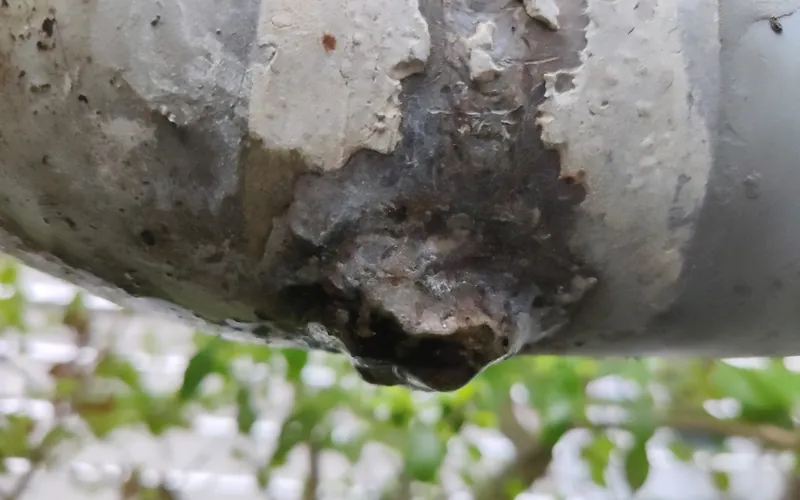
If a musty odor arrives every time the system starts, and especially if you can see mold growth on vent covers, the coil, or inside accessible duct sections, cleaning alone is only half the answer. Mold in a duct system means moisture has been present, from condensation, a clogged drain, or a leak. The growth should be cleaned and the moisture source fixed, or the problem returns. Our air duct cleaning guides explain how moisture gets into duct systems and what a complete fix looks like.
Sign Four: Pests Have Been in the Ductwork
Insects, rodents, and their droppings inside ducts are a clear reason to clean. Droppings and nesting material are contaminants you do not want moving through the air system, and the entry points that let pests in should be sealed as part of the same project. If you have heard scratching in the ducts or found droppings near vents, mention it when you call, because pest contamination changes how the job should be handled.
Sign Five: Life Events, Not Just Time
Some of the strongest reasons to clean ducts are events rather than symptoms. Moving into a home whose system history you do not know. Finishing a renovation, since drywall and sawdust travel everywhere no matter how careful the crew was. Recovering from a fire, flood, or smoke event. A household member whose doctor has tied allergies or asthma symptoms to indoor air, where reducing every dust reservoir is part of a larger plan. In each case the logic is the same: the ducts hold something specific that should come out.
Signs That Do Not Mean Much
Balance matters, so here is the other side. A thin film of dust visible in a duct photo is normal and harmless. Dusty furniture is usually a housekeeping and filtration matter before it is a duct matter; our article on how often to replace your HVAC filter covers the filter's role. And a date on the calendar, by itself, means little: ducts in a clean, pet-free home with good filters can stay reasonably clean for many years.
Be equally skeptical of fear-based claims. A salesperson who tells you your family is in danger because a duct looks dusty in a photo, or who quotes a full-house price far below every competitor and then discovers expensive problems on arrival, is showing you sales tactics, not evidence.
Making the Decision
Gather your own evidence first: the vent test, the flash photo, and your home's history of pets, renovations, and moisture problems. If two or more of the real signs are present, get quotes from companies that will inspect with a camera and put the scope in writing. A proper job, as the National Air Duct Cleaners Association describes it, cleans the full system under negative pressure and takes hours, not minutes.
If the signs are absent, spend the money on filters and sealing duct leaks instead, and check again after your next renovation or in a few years. Clean ducts are a good thing. Clean ducts you did not need, sold by fear, are just an expensive afternoon.
Keeping Ducts Cleaner Afterward
Once ducts are clean, a few habits keep them that way for years. Change the HVAC filter on the schedule your home actually needs, because the filter is the gatekeeper for everything the ducts carry. Vacuum supply and return vents during regular house cleaning, and keep them unblocked by furniture and rugs. During any renovation, seal the vents in the work area and run the system as little as possible until the dust has been cleaned up; construction debris is the single fastest way to undo a duct cleaning.
Control moisture as well. Fix the leaks, drain problems, and condensation issues that let mold grow in or near the duct system, since contamination returns quickly to a damp system no matter how well it was cleaned. Finally, keep the photo evidence from your own vent check. One picture a year, taken the same way, tells you objectively whether buildup is returning, and it turns the next cleaning decision into the same kind of evidence-based call you made this time. That small habit, repeated yearly, is the difference between maintaining your duct system on facts and maintaining it on guesses, sales pressure, or a coupon that happened to arrive in the mail.
Before You Book: An Evidence Checklist
Run through this list before paying for any duct cleaning. Two or more yes answers make a strong case; none at all means your money is probably better spent on filters and duct sealing.
- A flash photo inside a duct shows a thick, matted layer of debris, not a light film.
- A tissue taped over a supply vent comes away heavily gray within a day.
- You can see mold on vent covers, the coil, or accessible duct sections.
- Pests have nested in the ductwork, or droppings appear near vents.
- The home was recently remodeled, or you just moved in and do not know the system's history.
- A moisture source, such as a clogged drain line or a past leak, has been feeding the system.
Water inside the home is the fastest route to a contaminated system. Our guide to the first 24 hours after a pipe burst covers the response that keeps a wet home from becoming a moldy one.
Sources and Further Reading
The guidance in this article was checked against publications from the following organizations:
- US Environmental Protection Agency: Should You Have the Air Ducts in Your Home Cleaned?. The EPA's own balanced answer to when duct cleaning is and is not worthwhile.
- National Air Duct Cleaners Association: Homeowners. What a proper, complete duct cleaning includes, from the industry's standards body.
- US Environmental Protection Agency: Indoor Air Quality. Background on indoor pollutants and the role of the air system.