Most home maintenance is about comfort or money. Chimney care is about something more basic: the flue above your fireplace is a narrow passage coated, fire by fire, with a substance that can itself catch fire. Annual chimney inspection and cleaning is the routine that keeps that fact from ever becoming an emergency. This article explains what builds up in a chimney, what happens when it ignites, and what a professional sweep actually does during the visit you schedule each year.
Meet Creosote, the Reason Sweeps Exist
When wood burns, it releases smoke full of unburned gases and particles. As that smoke rises into the cooler flue, some of it condenses on the chimney walls as creosote. Creosote builds in stages. It starts as flaky, sooty deposits that brush away easily. With time and certain burning habits it becomes a crunchy, tarry layer, and eventually a hard, shiny glaze that clings to the flue like paint.
Every stage of creosote is flammable. The glaze is the worst of it: dense, energy-rich, and resistant to ordinary brushing, which is why sweeps would rather meet your chimney every year than meet a decade of glaze. How fast creosote builds depends on what and how you burn. Unseasoned, wet wood smokes far more than dry hardwood. Slow, smoldering fires, the kind people set for overnight warmth, send cooler smoke up the flue and coat it faster than hot, bright fires do.
What a Chimney Fire Actually Does
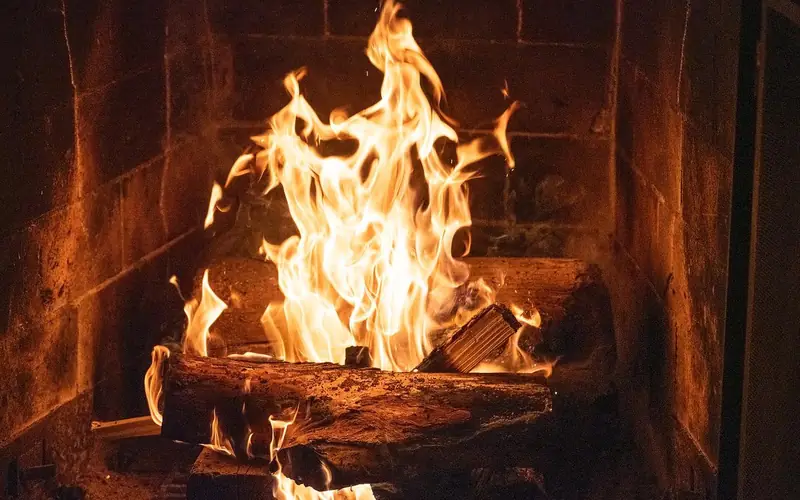
When creosote ignites, the flue becomes a torch. Temperatures inside can climb far beyond what the chimney was built to handle. Homeowners describe roaring sounds, shaking, and sparks and flames shooting from the top of the chimney. Even when the fire stays inside the flue, the heat can crack clay flue tiles, warp metal liners, and damage mortar joints.
The damage is the lasting danger. A cracked liner no longer seals the flue, so later, ordinary fires can send heat, sparks, and carbon monoxide through those cracks toward the framing of the house. Many chimneys that "survived" a fire are left quietly unsafe, which is why a camera inspection is recommended after any chimney fire, even one that seemed to end on its own. Prevention, by comparison, is a routine appointment and a brush.
The Carbon Monoxide Side of the Story
Fire safety gets the headlines, but blockages are the other half of why annual service matters. Bird and animal nests, fallen debris, and heavy soot can narrow or block a flue. A blocked or partly blocked flue cannot carry exhaust out reliably, and the exhaust of any fuel-burning appliance contains carbon monoxide, a gas you cannot see, smell, or taste. This applies to more than fireplaces: furnaces, boilers, and water heaters that vent through a chimney depend on the same clear passage.
An annual inspection checks that every flue in the chimney is open and intact, including the ones serving appliances you never think about. It is also the right time to confirm your home has working carbon monoxide alarms on every level, the safety net for every fuel-burning device you own.
What Happens During an Annual Visit
A proper annual visit pairs a basic inspection with cleaning as needed. The sweep examines the firebox, damper, and visible flue, checks the chimney exterior for damage, and confirms the cap is in place. For cleaning, the sweep seals the fireplace opening, runs brushes and rods through the flue from above or below, and removes the fallen soot and creosote with a specialized vacuum, keeping the mess out of your living room.
You should receive a plain-language report of the chimney's condition: how much creosote was found, whether the liner and masonry look sound, and anything that needs repair or a deeper camera inspection. That written record, year over year, is genuinely useful. It proves maintenance if you ever sell the home or file an insurance claim, and it lets small problems, like a failing cap or crown, get fixed while they are still small. Our chimney sweep guides describe the inspection levels and common repairs in more detail.
Timing and Habits That Help
Book the annual visit in late summer or early fall, before the burning season and before sweeps' calendars fill. Then support the work with good habits all winter: burn only dry, seasoned hardwood; keep fires hot and bright rather than low and smoldering; and never burn trash, cardboard, or treated wood, which add chemicals and extra residue to the flue.
If you burn wood only occasionally, you may not need a full cleaning every single year, but the annual inspection is still the standard recommendation of the Chimney Safety Institute of America, because animals, weather, and appliance flues do not check how often you light a fire. Think of the yearly visit as the chimney's physical exam: usually brief, occasionally lifesaving, and always far cheaper than the alternative.
If You Just Bought a Home With a Fireplace
A home purchase is the one time the annual rule should become an immediate rule. You inherit a chimney with an unknown history: you do not know what was burned in it, how it was maintained, or whether it ever had a chimney fire. Before your first fire, schedule a thorough inspection, ideally with a camera run through the flue, and a cleaning if the sweep finds buildup. The cost is small next to the purchase, and it converts a question mark into a known, documented starting point.
Ask the inspector to show you how your damper works, whether the flue serves other appliances, and what condition the cap and crown are in. Then start your own annual rhythm from that first visit. Every year after, the sweep's report compares against a baseline you trust, and the chimney becomes one more system in the home whose condition you actually know rather than assume. Keep those reports together in a home file, alongside your roof and HVAC records, so the next buyer, inspector, or insurer sees a chimney with a documented history of care.
The Annual Chimney Checklist
One appointment a year, supported by these habits, is the whole program:
- Book the inspection and cleaning in late summer or early fall, before the burning season.
- Burn only dry, seasoned hardwood; skip trash, cardboard, and treated wood.
- Keep fires hot and bright rather than low and smoldering.
- Confirm working carbon monoxide alarms on every level of the home.
- Keep a sound chimney cap in place to block animals and debris.
- File each year's written condition report with your other home records.
Your HVAC filter runs on the same yearly rhythm of small, scheduled care. Our guide to how often to replace your HVAC filter shows how to build that habit too.
Sources and Further Reading
The guidance in this article was checked against publications from the following organizations:
- Chimney Safety Institute of America: Homeowner Resources. The certifying body for chimney sweeps, and the source of the annual inspection standard.
- National Fire Protection Association: Heating Safety. The standards organization's safety guidance for heating equipment, chimneys, and fireplaces.
- US Environmental Protection Agency: Burn Wise. Federal guidance on burning wood more cleanly and safely, which slows creosote buildup.